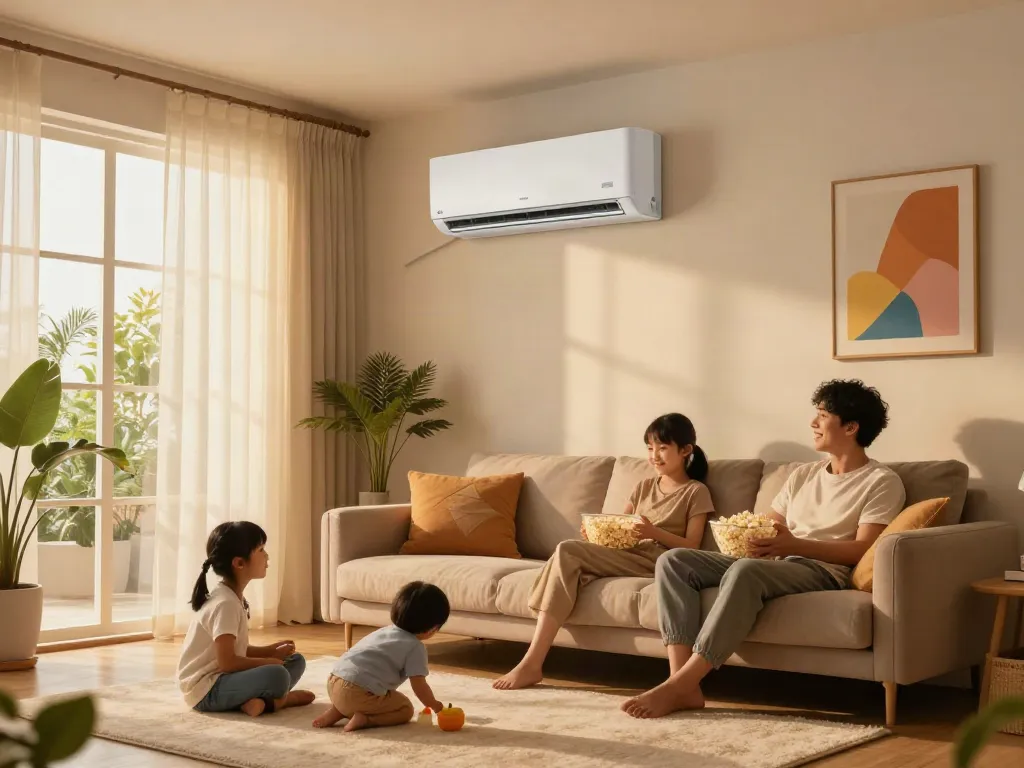
Understanding Mini Split Air Conditioners
As the demand for energy-efficient heating and cooling solutions continues to rise, many homeowners are turning to mini split air conditioner. These versatile systems offer flexibility, efficiency, and the ability to control temperatures in specific areas of your home. In this comprehensive guide, we will delve into the workings of mini split systems, their benefits, and how to identify the best options for your home.
What is a Mini Split Air Conditioner?
A mini split air conditioner is a ductless HVAC system, meaning it operates without the need for traditional ductwork. It typically consists of two main components: an outdoor unit containing the compressor and condenser, and one or more indoor units, which deliver cool or warm air directly into the living spaces. This setup allows for greater zoning control, enabling homeowners to cool or heat different rooms independently.
How Mini Split Systems Work
Mini split systems work on the principle of heat exchange. During summer, the system absorbs heat from inside your home and transfers it outside, while in winter, it extracts heat from the outside air and brings it indoors. The refrigerant fluid circulates between the indoor and outdoor units, allowing for effective temperature regulation. This method of operation is not only efficient but also reduces energy loss, making mini splits an eco-friendly option.
Benefits of Choosing a Mini Split Air Conditioner
- Energy Efficiency: Mini split systems are known for their high SEER (Seasonal Energy Efficiency Ratio) ratings, translating to lower energy bills.
- Space-Saving Design: With no ductwork to install, mini split systems take up less space and offer flexible installation options.
- Zoning Capability: Each indoor unit can be independently controlled, allowing different areas to be set to varying temperatures according to individual comfort needs.
- Quiet Operation: Many mini split units operate at lower noise levels than traditional HVAC systems, creating a more comfortable environment.
Evaluating Your Cooling Needs
Before investing in a mini split air conditioner, it's essential to assess your specific cooling needs to determine which system will work best for you.
Determining Room Size and BTU Requirements
The first step in evaluating your cooling needs is to assess the size of the room or area you wish to cool. Cooling capacity is measured in BTUs (British Thermal Units), and knowing the BTU requirements for your space is crucial. Generally, a larger room will require a higher BTU rating to adequately cool the area. As a guide, consider the following:
- 300-400 sq. ft: 9,000 - 12,000 BTUs
- 400-600 sq. ft: 12,000 - 18,000 BTUs
- 600-800 sq. ft: 18,000 - 24,000 BTUs
Understanding Energy Efficiency Ratings
When selecting a mini split air conditioner, pay attention to the energy efficiency ratings. The SEER rating reflects the cooling output compared to the energy consumed. A higher SEER rating indicates a more efficient unit. Look for models with a SEER of 16 or higher for optimal energy savings.
Assessing Your Home's Insulation
Your home's insulation also plays a significant role in cooling efficiency. Properly insulated homes retain cool air more effectively, allowing your mini split system to operate efficiently. If your insulation is lacking, you may need to consider improvements to optimize your air conditioning system's performance.
Popular Mini Split Air Conditioner Models
With multiple brands and models available, choosing the right mini split air conditioner can be overwhelming. Here, we highlight some top contenders for 2026, focusing on features, specifications, and user feedback.
Top Picks for 2026: Features and Specs
- MRCOOL DIY Series: This model is particularly popular for its easy installation and efficiency, featuring a SEER rating of up to 22.
- Senville AURA Series: Known for its sleek design and quiet operation, it boasts a high energy efficiency rating and comes in various capacities.
- Daikin 17 Series: Offers advanced temperature control and is perfect for larger spaces with its multiple indoor unit options.
Comparing Styles: Wall-Mounted vs. Floor-Mounted Units
When choosing a mini split air conditioner, consider the placement of the indoor unit. Wall-mounted units are ideal for those seeking a discreet installation, while floor-mounted units can provide additional heating options and may be better for rooms with lower ceilings.
Budget Options vs. Premium Features
While budget-friendly models can offer essential cooling functions, premium models may include features such as smart home integration, higher energy efficiency, and advanced filtration systems. Evaluate your priorities to find the best balance between cost and functionality.
Installation and Maintenance of Mini Split Systems
Proper installation and maintenance are critical to ensuring your mini split air conditioner operates efficiently and has a long lifespan.
Professional vs. DIY Installation: Pros and Cons
While some homeowners may opt for a DIY installation to save money, professional installation is recommended to ensure accuracy and effectiveness. Professionals can also provide valuable insights on optimal placement and system configuration. Consider your skill level and the complexity of the installation before deciding.
Regular Maintenance Tips for Longevity
- Clean or replace filters: Regularly check filters to maintain air quality and efficiency.
- Inspect for leaks: Periodically check the refrigerant lines to prevent cooling losses.
- Schedule professional check-ups: Having a technician service the unit annually can prevent expensive repairs later on.
Common Installation Challenges and Solutions
Some common installation challenges include improper sizing, inaccessible locations, and refrigerant leaks. Ensuring accurate measurements, planning for accessible unit placement, and following manufacturer guidelines can help mitigate these issues.
Future Trends in Mini Split Air Conditioning
The mini split air conditioning market is evolving rapidly, particularly with advancements in technology and energy efficiency. Here’s what to expect in the coming years.
Smart Home Integration and Technology
As smart home devices become increasingly popular, new mini split air conditioners are being designed with smart technology capabilities. Features like Wi-Fi connectivity allow users to control their HVAC systems remotely, optimizing energy usage and comfort.
Eco-Friendly Refrigerants and Energy Sources
With a growing emphasis on sustainability, manufacturers are developing mini split systems that utilize eco-friendly refrigerants. These innovations not only help reduce environmental impact but also comply with stricter regulations regarding refrigerants.
Predictions for Mini Split System Innovations in 2026
In 2026, we can expect to see enhancements in energy efficiency ratings, quieter operation, and more compact designs. Additionally, the integration of AI technology could lead to smarter climate control systems that adapt to user behavior and preferences.
How Do I Choose a Mini Split Air Conditioner?
To make an informed decision, consider the following factors:
- Room size and BTU requirements
- Energy efficiency ratings (SEER)
- Installation accessibility
- Budget constraints
What are the Advantages of Mini Split Air Conditioners?
Mini split air conditioners offer numerous advantages, including energy efficiency, zoning capabilities, and a reduced carbon footprint. Their flexibility in installation makes them suitable for various home configurations.
How Much Does a Mini Split Air Conditioner Cost?
The cost of mini split air conditioners can range from $1,500 to over $5,000, depending on the brand, model, and installation complexity. Be sure to factor in both the unit cost and installation fees when budgeting for your purchase.
Is Installation of Mini Split Systems Complicated?
While some aspects of mini split installation can be complex, such as connecting refrigerant lines, many homeowners find the process manageable with thorough research and preparation. However, hiring a professional is advisable for the best results.
What Maintenance Do Mini Split Air Conditioners Require?
Routine maintenance is vital for the longevity of your mini split system. Regular air filter checks, refrigerant level inspections, and seasonal professional servicing can help maximize your unit’s performance.