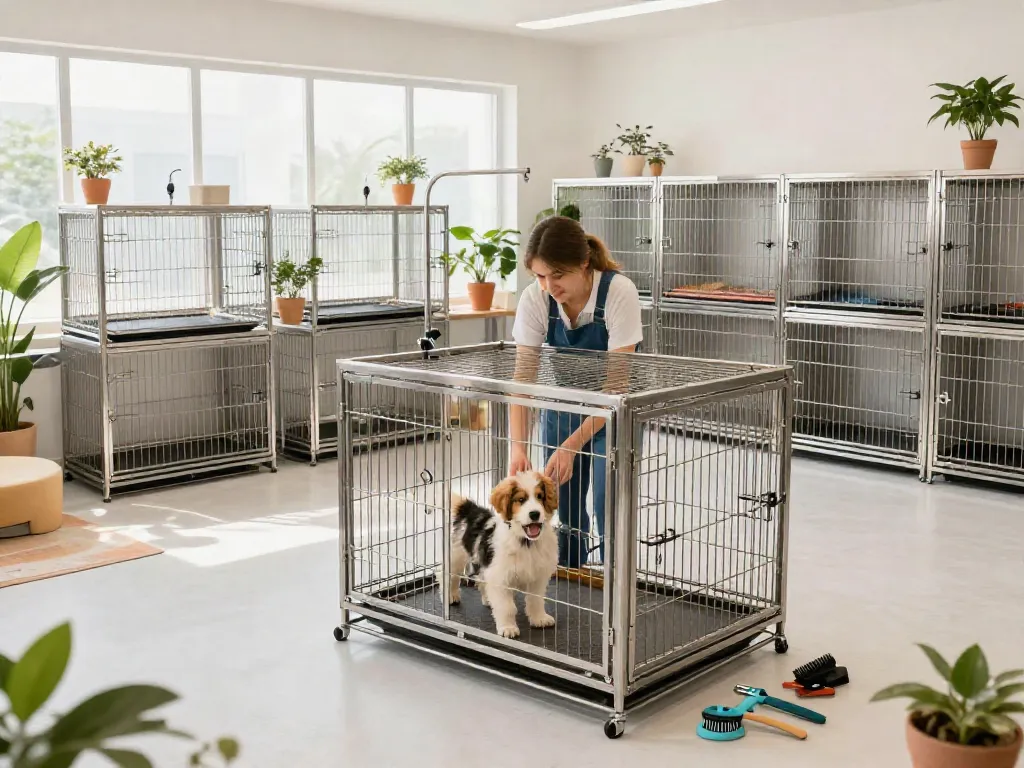
Understanding the Importance of Cages For Animal Professionals
The role of cages in animal care cannot be overstated. They serve not only as a physical enclosure but also as a crucial component of the welfare and management of animals in various professional settings. Whether you are a veterinarian, a groomer, or operate a rescue organization, understanding the significance of well-designed cages can significantly impact the health and safety of the animals in your care. When exploring options, Cages For Animal Professionals provide comprehensive insights into the latest designs, features, and materials that enhance animal welfare.
Why Cages Are Essential in Animal Care
Animal cages fulfill several essential functions in professional environments. They provide a secure and controlled space for animals, whether for recovery after surgery, during boarding, or in a grooming salon. Safety is paramount; cages allow for temporary housing while ensuring animals are not at risk of escaping or interacting with other animals in potentially harmful ways. Moreover, they play a vital role in the organization of the space, allowing professionals to manage multiple animals efficiently.
In veterinary hospitals, cages serve as recovery units, allowing for observation and management of animals post-treatment. In shelters, they provide a safe haven for animals awaiting adoption, protecting them from outside stresses and dangers. Additionally, the right cage can help streamline the workflow for animal care professionals, enabling them to focus on providing quality care.
Key Features of High-Quality Cages
When selecting cages, certain features are indicative of quality and functionality. Durable materials, such as stainless steel, are not only long-lasting but also easy to clean and sanitize, which is crucial for maintaining hygiene standards. Secure latches and doors ensure the safety of the animals inside. Furthermore, the size and design of the cage play a role in the comfort and health of the animals, allowing them enough room to move and lie down comfortably.
- Ventilation: Good airflow is essential to keep animals healthy and comfortable.
- Visibility: Transparent materials allow caretakers to monitor animals without disturbing them.
- Accessibility: Cages should be easy to access for cleaning and for vet visits.
- Modular design: Cages that can be reconfigured or expanded to accommodate different species and sizes are highly beneficial.
Types of Cages for Different Animal Needs
There are various types of cages designed for specific species and purposes. Understanding these distinctions is crucial for animal professionals:
- Dog Cages: Typically used in grooming salons and kennels, these cages often feature removable trays for easy cleaning.
- Cat Cages: Designed with feline behavior in mind, these cages often include vertical space and hiding spots.
- Bird Cages: Spacious and equipped with perches and toys, these cages provide enrichment for pet birds.
- Rodent Cages: Smaller cages designed for rodents should focus on ventilation and security to prevent escapes.
Choosing the Right Cage: A Guide for Professionals
Selecting the appropriate cage is a fundamental decision for any animal professional. To make the best choice, you need to consider several key factors that affect not only the animals' welfare but also the operational efficiency of your facility.
Factors to Consider When Selecting Cages
The first aspect to consider is the size of the animals you will house. Cages need to be spacious enough to allow animals to stand, turn around, and lie down comfortably. Additionally, assess your facility's space to determine how many cages you can fit without compromising accessibility.
Next, think about the material of the cages. Stainless steel is often the best choice due to its durability and ease of cleaning, while plastic may be suitable for certain situations but can wear down more quickly. Furthermore, the design should facilitate easy cleaning and sanitization. Look for features like rounded corners and removable trays.
Common Mistakes to Avoid
Many professionals make mistakes that can negatively impact animal welfare. One common error is selecting cages that are too small, which can lead to stress and behavioral issues in animals. Another mistake is overlooking cleaning and sanitation protocols; failure to maintain a clean environment can lead to the spread of disease.
It’s also crucial to consider the layout of your cages. Ensuring they are arranged to allow for easy access and monitoring can streamline operations and improve animal care.
Customizable Cage Options for Specific Situations
Customizable cages are increasingly popular in animal care due to their versatility. Many manufacturers now offer modular systems that allow professionals to create configurations that suit their specific needs. This flexibility is especially beneficial in veterinary hospitals, where the needs of different species can vary greatly.
For instance, a shelter may require a mix of small and large cages to accommodate different animals, while a grooming business might need cages that are easy to clean and have locking mechanisms for safety during grooming sessions.
Best Practices for Maintaining Cages
Proper maintenance of animal cages is essential to ensure the health and safety of the animals. Following best practices not only prolongs the life of the cages but also improves overall hygiene standards.
Cleaning and Sanitization Protocols
The cleaning of cages should be a regular, methodical process. Remove all bedding and waste daily, and wash the cages with a suitable disinfectant. Equipment used to clean cages must be dedicated for that purpose to prevent cross-contamination.
It’s also advisable to implement a schedule for deeper cleaning, where cages are completely emptied and thoroughly sanitized. Ensure that all cleaning agents are safe and effective for the types of animals being housed.
Health and Safety Standards to Follow
Adhering to health and safety standards is not just a best practice; it is a requirement in many jurisdictions. Regularly review guidelines from local authorities regarding the care and housing of animals to ensure compliance.
Part of ensuring safety includes training staff in proper handling techniques and making sure that cages are regularly inspected for wear and tear.
Regular Inspection and Maintenance Tips
Cages should be inspected regularly for structural integrity, including checking for rust, sharp edges, or faulty locks. Ensuring that cages are in good repair prevents accidents and maintains a safe environment for both animals and staff.
Keeping an inventory of cages and their maintenance history can help track repairs and replacements, ensuring that your facility is always up to standard.
Innovative Trends in Animal Cages for 2026
As the animal care industry evolves, so too do the designs and technologies associated with cages. Staying informed on the latest trends can help professionals remain competitive and effective in their care practices.
Smart Cages with Technology Integration
One of the most exciting advancements in animal cages is the integration of technology. Smart cages can monitor the health and behavior of animals in real-time, alerting staff to any abnormalities. This technology can enhance the safety and well-being of animals in a variety of settings.
Eco-Friendly Materials in Cage Manufacturing
As more businesses focus on sustainability, the use of eco-friendly materials in cage production is becoming increasingly popular. These materials can provide the same durability and safety as traditional products while minimizing environmental impact.
Future Design Trends and Consumer Preferences
Design preferences are shifting towards cages that prioritize not only functionality but also aesthetics. Many consumers seek cages that are visually appealing and blend seamlessly into their environments, especially in home settings. This trend is also reflected in commercial spaces where the visual appeal can enhance the overall experience for clients and guests.
FAQs About Cages For Animal Professionals
What are the main types of animal cages?
The main types of animal cages include those designed for dogs, cats, birds, and rodents, each tailored to the specific needs and behaviors of these animals.
How do I properly clean animal cages?
Proper cleaning involves daily removal of waste and soiled bedding, regular washing with disinfectants, and a deep cleaning schedule for thorough sanitization.
What are the costs associated with professional animal cages?
Costs can vary widely based on size, material, and design features. Basic cages may cost a few hundred dollars, while custom or high-tech options can be significantly more expensive.
How can I ensure the safety of animals in cages?
Safety can be ensured by selecting well-designed cages with secure latches, conducting regular inspections, and training staff in proper handling and maintenance techniques.
Where can I find high-quality cages for my business?
High-quality cages can be sourced from specialized manufacturers, such as those found in dedicated suppliers for animal professionals.